It’s that time of year…kids of all ages are heading back to school in some form or fashion. As digital transformation accelerates, education faces growing demands for AI research, online learning, & secure data management. Bringing data centers on campus provides:
- Enhanced Data Security: On-site data centers allow them to have complete control over their security protocols to protect student data and ensure compliance with FERPA and HIPAA.
- Better Scalability & Flexibility: The ability to scale infrastructure based on demand with their own data centers allows colleges can ramp up resources during peak times, like enrollment periods or exam seasons for consistent performance and cost efficiency.
- Energy Efficiency & Cost savings: Optimized cooling & power management improve PUE), reducing CAPEX, OPEX & environmental impact.
- Expanded Research & Development: Colleges & universities are at the forefront of groundbreaking research in various fields. A dedicated data center allows them to support high-performance computing essential for complex simulations, data analysis, & other research processes.
For example, the University of Texas has several campuses spread across Texas, with various data centers on site, including:
- UT Austin’s Shared Data Center (ASDC) delivers 24/7 supported, cost-free co-location and disaster recovery services with HIPAA and NIST compliance.
- UT Arlington’s Regional Data Center (ARDC) provides shared IT infrastructure and co-location services for UT institutions, managed by UT Shared Services.
- UT Houston’s Data Center (HDC), operated by MD Anderson, is a secure, lights-out facility offering co-location space and disaster recovery support.
- UT El Paso is planning a $3 million data center to support the College of Education’s technology and infrastructure needs.
To see a comprehensive list of colleges and universities that have data center initiatives, check out John Lester‘s article Build or Buy? The University Data Center Dilemma.
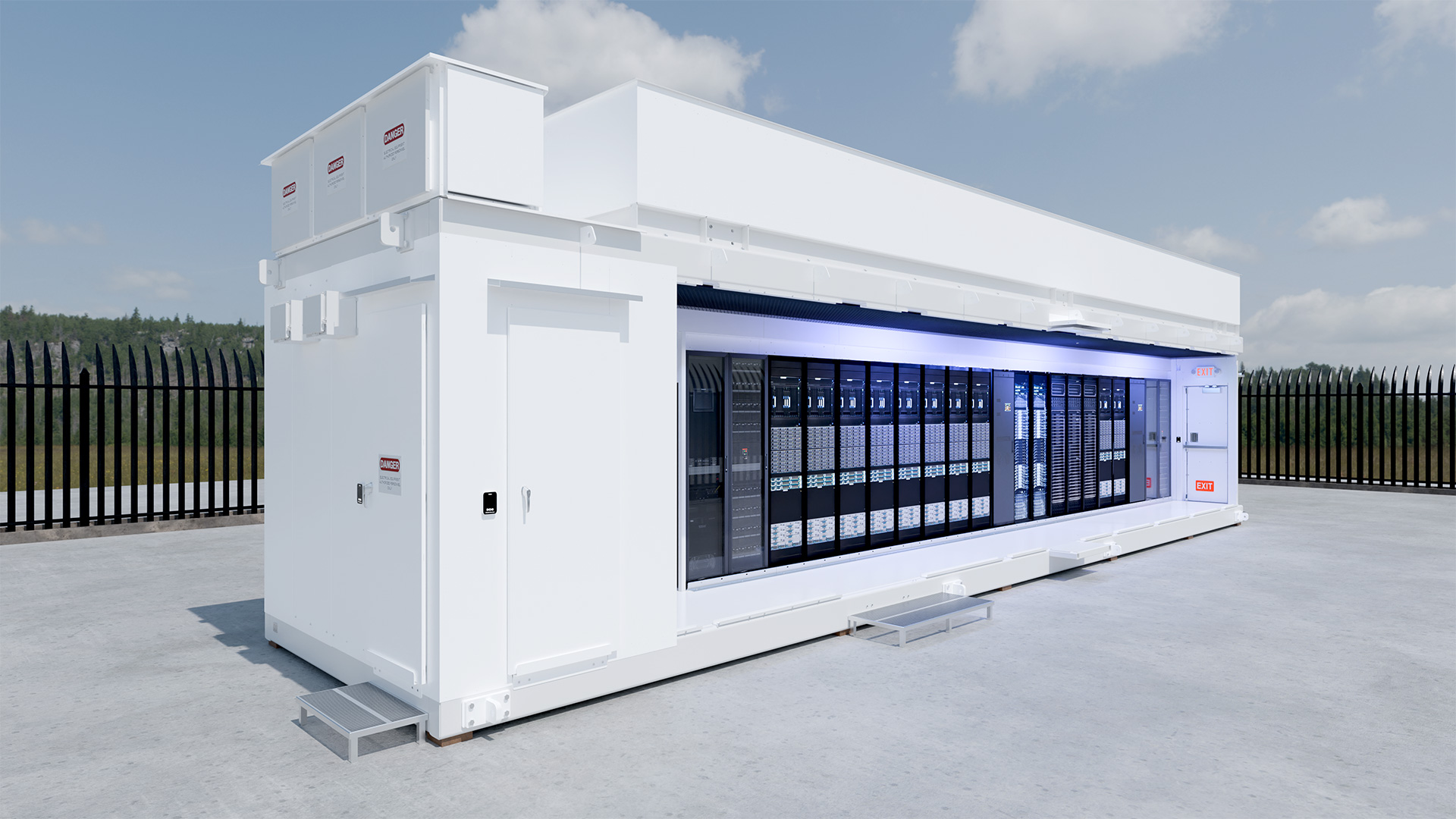
Modular data centers are reshaping how campuses approach IT infrastructure. Unlike traditional data centers, modular are fully integrated systems designed to support advanced workloads like GPU clusters, AI model training, and edge inference engines. They can be designed to plug and play in an enclosure or designed to fit into existing space on campus. With direct access to their own state-of-the-art infrastructure, institutions can foster innovation without technological constraints.
For more information on CDM’s modular solutions, visit CDM’s modular data center solutions page.
